
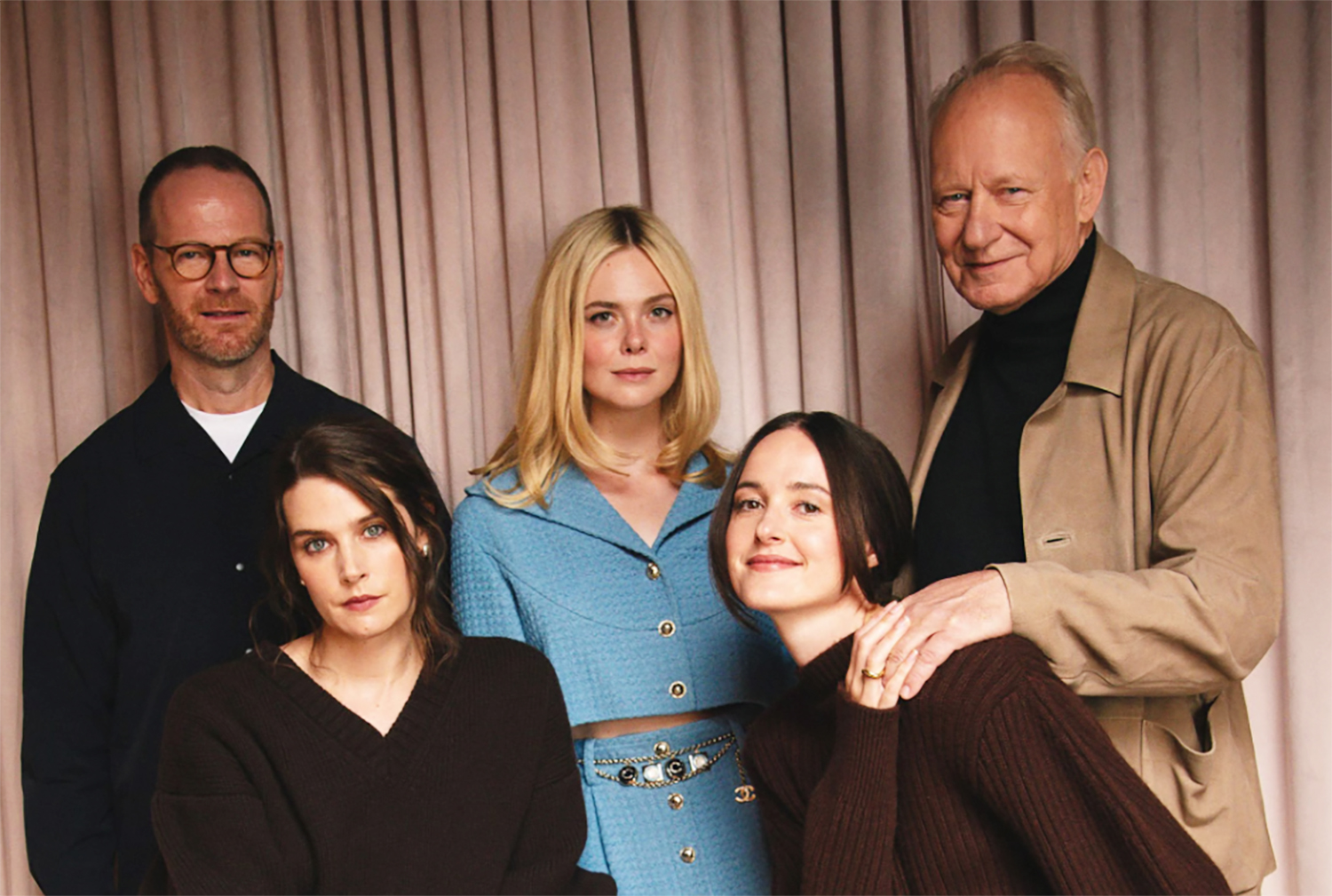
Since its Cannes debut last summer — where it claimed the festival’s top prize — Sentimental Value has steadily gathered momentum, earning admiration and nine Oscar nominations. The latest film from Danish-Norwegian writer-director Joachim Trier, now 51, confirms his standing as one of contemporary cinema’s most incisive observers of modern life. With seven features under his belt, including the Oscar-nominated Worst Person in the World (2022), Trier continues his lifelong cinematic dialogue with Oslo, which resembles Woody Allen’s obsession with New York City.
Initially, Trier and his co-writer, Eskil Vogt, set out to make a film about two sisters asking, “Why do siblings that grow up in the same family with the same parents turn out so differently?”
The high-strung Nora, played by the astonishing Renate Reinsve, pursues an acting career despite suffering intense stage fright. The other, quieter, Agnes (Inga Ibsdotter Lilleaas) leads a more conventional life with a husband and 7-year-old son.
But the arrival of the girls’ father, Gustav (Stellan Skarsgard) turns the story into a multigenerational exploration of how pain and trauma pass from generation to generation, and how individuals work through it differently. Gustav, a successful, if narcissistic filmmaker in the sunset of his career, is determined to cast his estranged daughter Nora in what might be his final film.
Skarsgard perfectly depicts the controlling, yet vulnerable man used to getting his way, commanding the spotlight, admired and adored. When Nora refuses him, he turns to an American starlet, Rachel Kemp (Elle Fanning), whose hunger for artistic depth makes her a willing collaborator for a time. Their scenes together are among the most enjoyable. With Rachel, almost a substitute daughter, Gustav is open and self-reflective in ways he cannot manage with his real daughters.
The fifth character in the film, a beautiful century-old “Viking Victorian“ style wooden house, frames the family drama that ensues after the sisters’ mother dies and Gustav, long-divorced, returns to reclaim the family manse. The generational secrets the house contains unspool, and we slowly understand the childhood pain that plagues Gustav, and why he grew into a man incapable of emotional connection outside his art. We grasp why his daughters are so angry with him and wonder if healing is possible.
Is Sentimental Value the daughters’ story, or the father’s? Ultimately, it is a film about a director making a film about a director, steeped in allusions to Ingmar Bergman, whom Trier deeply admires. The theme of doubling, so central to Begman’s Persona, is directly quoted in one scene where the faces of Gustav, Nora, and Agnes morph into one another.
Is the film a confession? Is Trier working through the guilt that haunts any artist who puts their art ahead of everything – and everyone – else in their life? As he told Esquire: “I’m trying not to be Gustav, yet I understand the conflict: if you don’t have an obsessive drive, you can’t make movies, because it’s a battle every time.”
Ultimately, the ending nods to the power of art to heal, even if only for a moment.
Share this:

Discover more from Fullerton Observer
Subscribe to get the latest posts sent to your email.
Categories: Arts, Community Voices


