
The Fullerton City Council made a decision on August 18, 2026, by voting 4-1 to start looking into three city-owned properties that could be used for housing. They decided to focus first on an empty piece of land on West Santa Fe Avenue next to the transportation center. Mayor Pro Tem Dunlap voted against this plan.
It’s important to note that this decision does not mean that any housing will be built right away. Instead, it gives city staff the green light to start some important preliminary work. This includes paperwork required under the Surplus Land Act, checking zoning regulations, and reviewing property titles and sites before the city can request proposals to develop the land.
Planning Manager Chris Schaefer explained that the community development team received a $300,000 grant to support the project. The grant came through the REAP 2.0 program, run by the Southern California Association of Governments and the Orange County Council of Governments. The city worked with a planning firm called PlaceWorks on this project, which took about six months and included a community workshop in April 2026.
The study looked at smaller pieces of land in and around downtown, especially ones that are an acre or less. PlaceWorks manager Karen Gulley mentioned that these smaller sites can be challenging to develop. The team investigated physical, legal, and financial challenges that can make building new homes difficult and explored ways to simplify the approval process.
Gulley emphasized a key finding: to make building affordable, the density (or number of homes) on these small parcels needs to be higher. The two main factors that influenced their findings were density and housing market conditions.
Out of eight possible sites, the team narrowed it down to five options. One of these sites is located at 2200 W. Orangethorpe Avenue. The owner of this property had previously talked to the city about adding housing there. This allowed the team to show how a new state law (California Senate Bill 4 (SB 4), also known as the Affordable Housing on Faith and Higher Education Lands Act), could simplify the process of building affordable housing on properties owned by religious institutions. The plan could include up to 36 homes behind the church, with parking within the project area and a new church parking lot replacing an empty lawn by Gilbert Park. Under SB 4, this location would be designated as 100% affordable, and special environmental reviews would not be required.
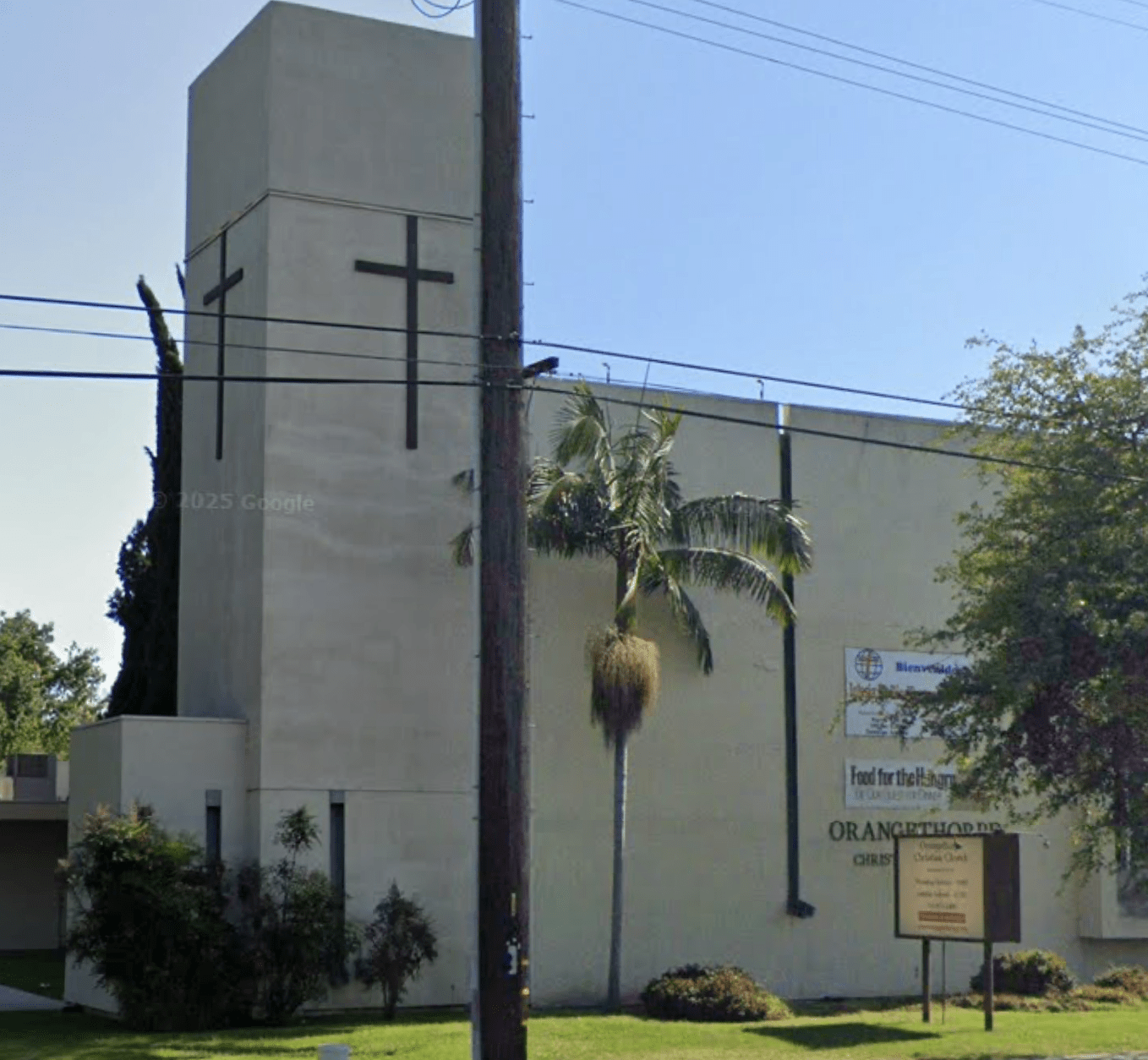 2200 W. Orangethorpe Avenue. The property owner had previously approached the city about adding housing, which allowed the team to demonstrate SB 4 — the state law creating a streamlined ministerial pathway for affordable housing on religious property. The concept places up to 36 homes behind the church, with residential parking inside the project footprint and a new purpose-built church lot replacing a vacant lawn, adjacent to Gilbert Park. Under SB 4, the site would be 100% affordable, and CEQA review is not triggered.
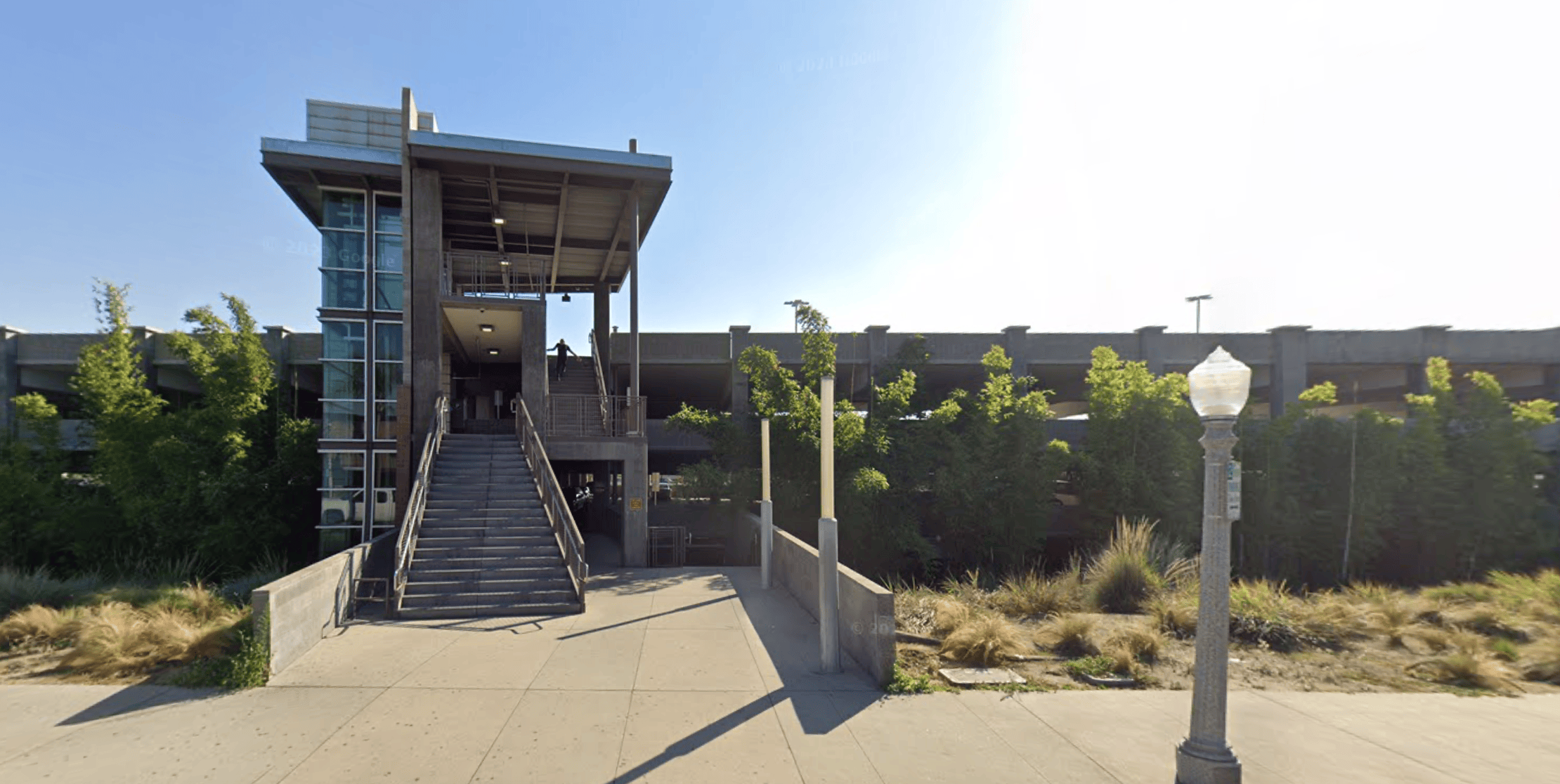 118 W. Santa Fe Avenue: This is a city-owned empty lot next to the transportation center. A consultant named Jordan Kessler thinks it’s a great development opportunity. The site can use the nearby SoCo parking garage, which means we won’t need to build a new parking area. This could save money and allow for new features like shops, a public plaza, and affordable housing. The recommendation is to sort out some issues before inviting developers to submit proposals. This includes starting the Surplus Land Act process, changing the area’s zoning from industrial to mixed-use, and ensuring utilities and shared parking agreements are addressed.
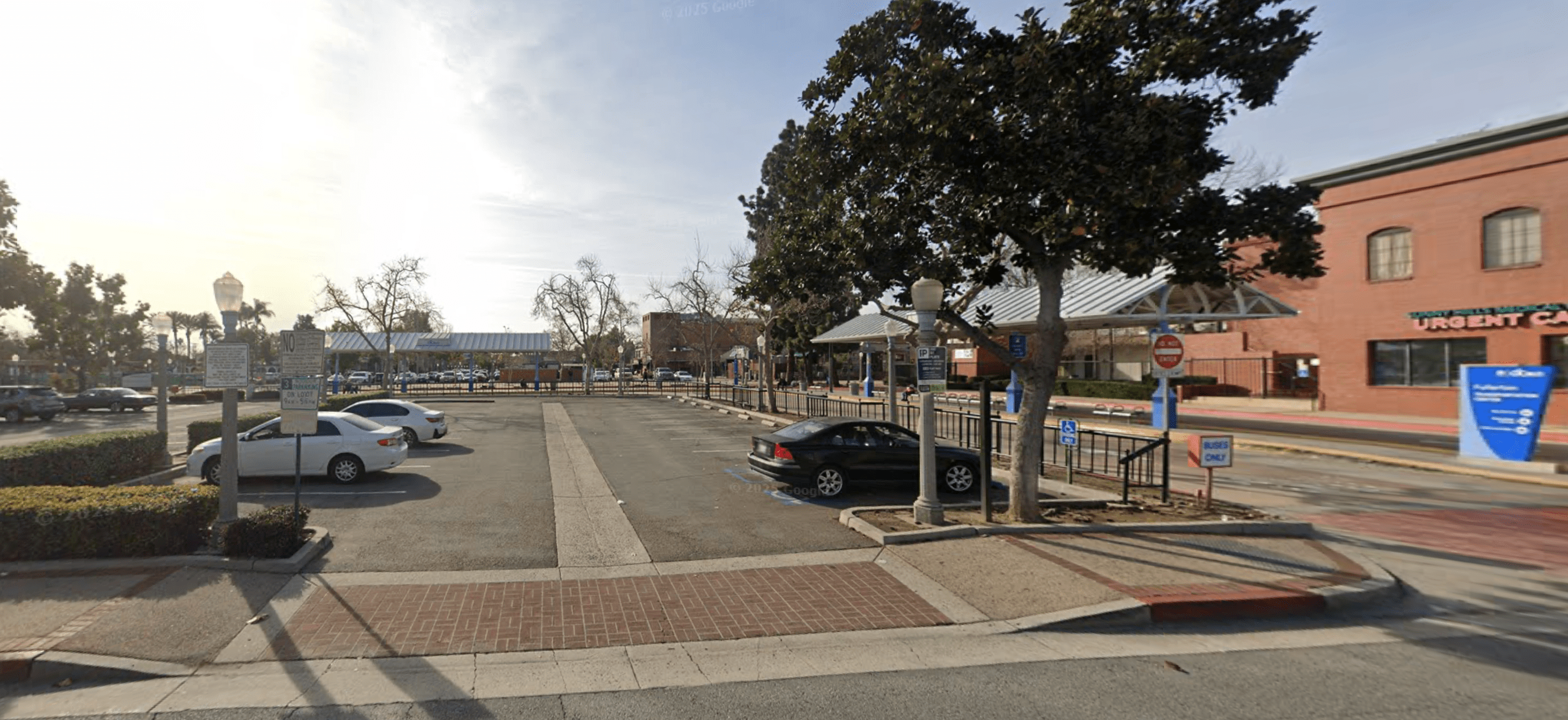 122 Pomona Avenue: This location has strong housing potential but comes with a challenge because an existing parking structure adds to costs. To make it work under new laws, we would need to create smaller housing units and reduce the parking requirements. The suggestion is to determine the real costs to prepare the site—like tearing down buildings and moving utilities—before looking for developers, so they have accurate information when bidding.
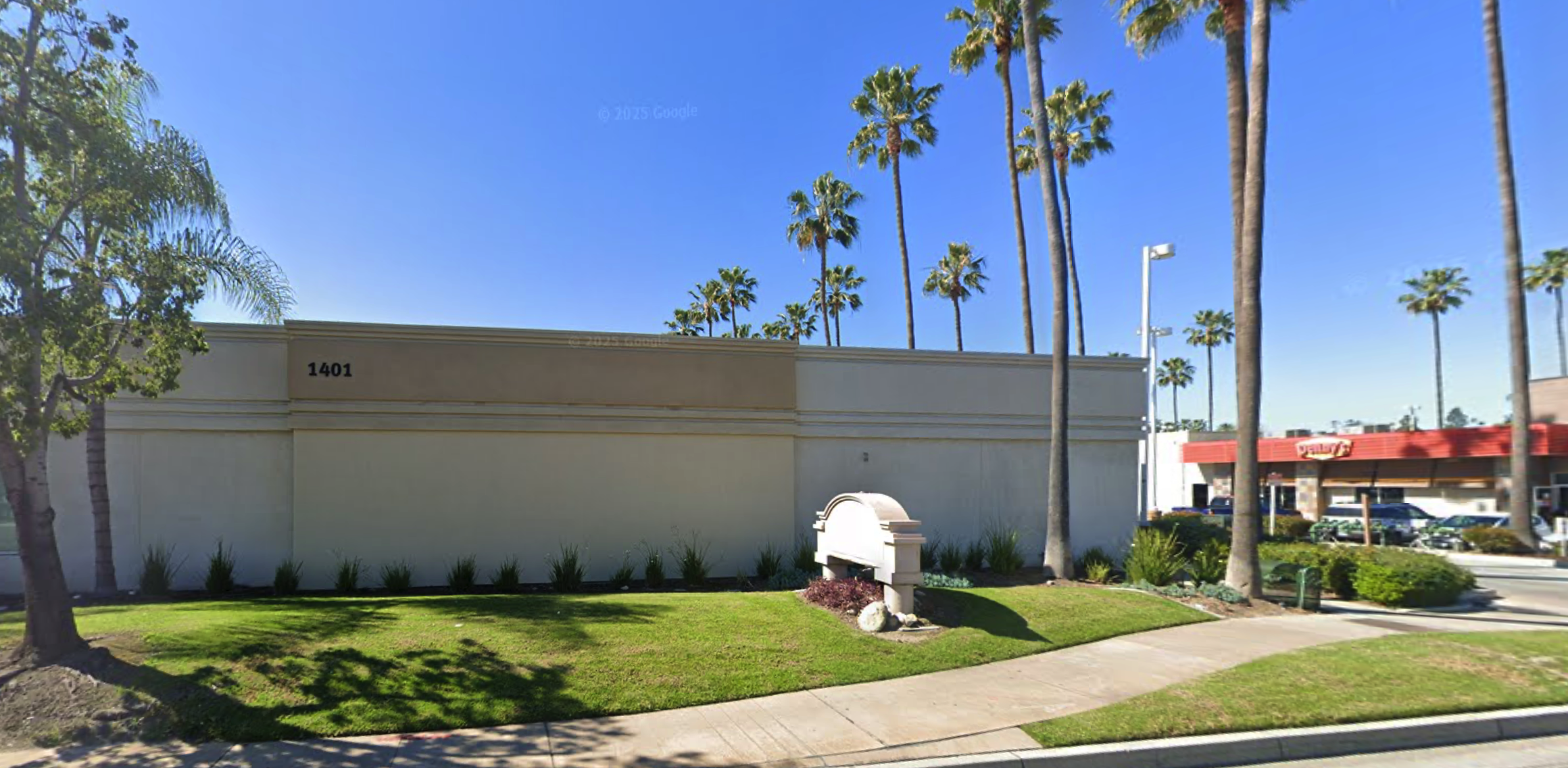 1401 S Harbor Boulevard: This property is privately owned. The plan is to keep the existing bank and add around 65 homes by splitting the lot. This would help create a nice transition between downtown and nearby neighborhoods. However, how well this works depends on the housing market. Since it’s privately owned, the city will first need to contact the owner.
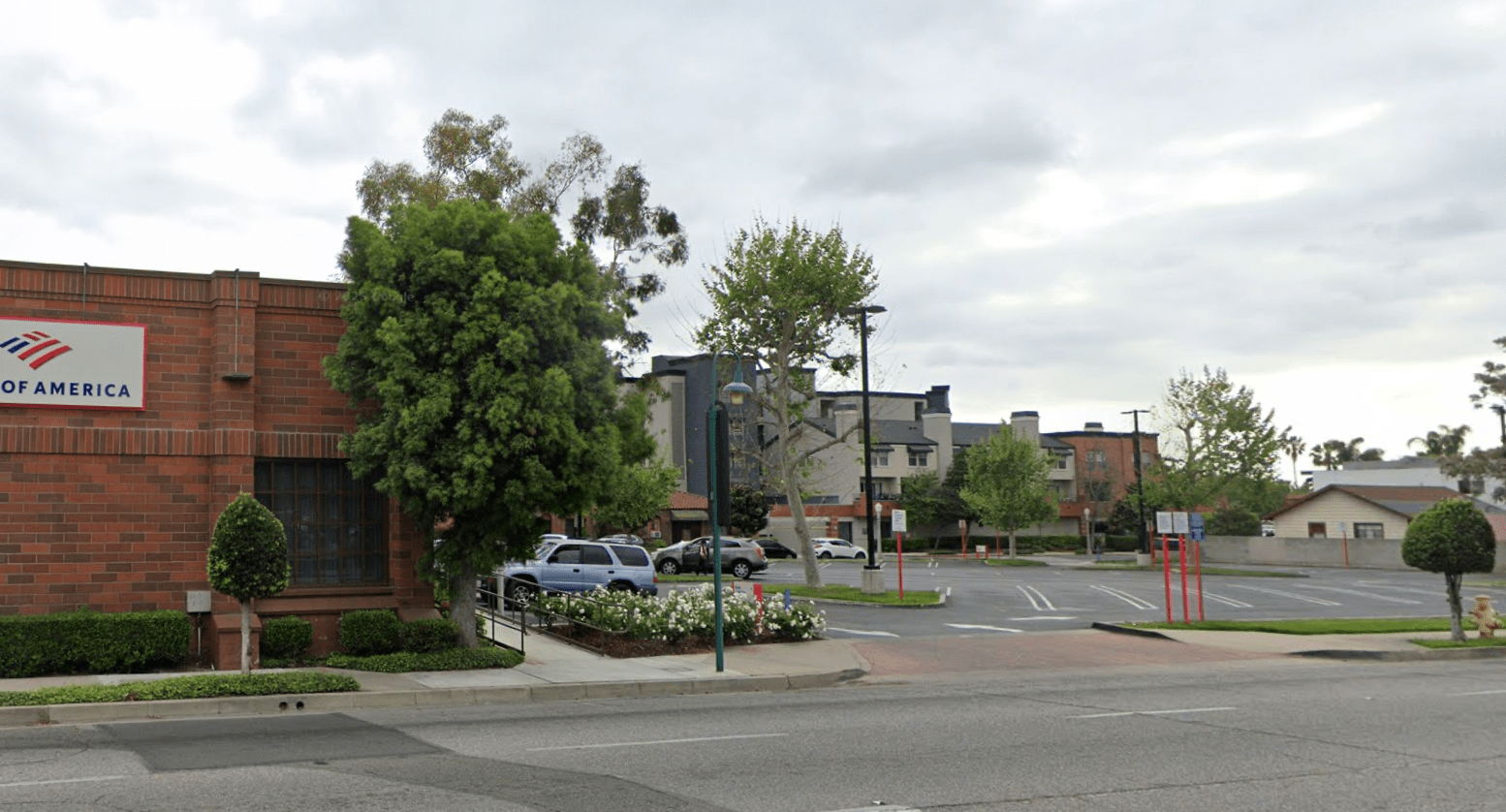 125 Chapman Avenue: This is another city-owned property, but it has two main challenges. Current zoning rules require a commercial space on the ground floor, but the analysis shows retail might not succeed here. Therefore, instead of risking empty stores, the idea is to consider building homes, entryways, leasing offices, and spaces for activities. Also, this site is currently used for parking for the nearby Events Center, so replacing that parking could be complicated and affect the project’s feasibility.
The most important discovery from the council’s discussions was one they didn’t talk about much. The team looked into whether combining two areas, Chapman and Harbor, might lead to better results. Their studies showed that a united approach could provide 52 affordable housing units at Harbor, compared to just about 10 to 13 if the two areas worked separately. However, this combined strategy could be complicated. It would require teamwork between a main developer, an affordable housing partner, and a private property owner. Finding the right funding for affordable housing can take a long time—sometimes over two years—so any agreement needs clear steps and protections to ensure these affordable homes actually get built.
Malia Durand, a manager at PlaceWorks, Inc., explained that the team did an early environmental review of all five sites. This review wasn’t as detailed as a full project-level assessment, but it examined each location’s characteristics, current uses, zoning, and what kind of development could realistically happen there. Any future project still needs to follow the California Environmental Quality Act (CEQA) rules.
The review found possible ways to move forward with all five sites: one could use a special approval route for the religious site, and others might qualify for exemptions for infill housing, which is building new homes on empty lots in existing neighborhoods. Durand warned that even when an exemption applies, some technical studies might still be necessary to support the findings.
One site, Santa Fe, has an extra CEQA challenge that the others don’t because of its current zoning and planning rules. Durand stated that the city could address this issue by making land use changes and reviewing them through an update to either the General Plan Environmental Impact Report or the Fullerton Transit Center Specific Plan Environmental Impact Report. Doing this work would make the site more appealing to developers in the future.
Community and Economic Development Director Thomas told the council they were not making any final decisions about development plans yet. Staff recommended focusing on a site at 118 W. Santa Fe and moving forward with three city-owned properties, checking everything carefully and looking for developers as interest grows.
The process will take a long time. Thomas said the Surplus Land Act requires notice of land availability for about 60 days, followed by a 90-day negotiation period. Before that, staff will prepare documents to officially list the properties as surplus. Currently, the property at 799 Rolling Hills is on that list, while 3151 Euclid was removed a few years ago because it was needed for public use. Thomas emphasized that this entire process could take years, and she wants to hear from the community before issuing any Requests for Proposals (RFPs).
Councilmember Dr. Ahmad Zahra mentioned that he has brought up the Santa Fe site since he was elected in 2019, originally thinking it would be better for businesses than housing. He asked if the small site could support building there. The consultants said that any new units would likely be around 850 square feet and would follow state parking rules, with some ground-floor retail. This is because the existing shops in the area aren’t doing well, and adding more empty storefronts wouldn’t be a good idea. They believe these units would suit students and young professionals who need access to public transport.
Thomas added that whenever staff meets with potential developers, they always show interest in the Santa Fe site. She noted that two preliminary plans for this site already included a housing aspect. The parcel dates back to the Redevelopment Agency, when it was intended for public parking.
On affordability, consultant Steve Gunnells (Cheif Economist at Placeworks, Inc.) mentioned that every proposed project includes some affordable housing because state laws require it to support increased density. For the development plans, aiming for 10% of the units to be for very low-income residents works best, although they considered various options. The religious site will provide 100% affordable units.
Councilmember Dr. Shana Charles, who made the motion to discuss the plan, stressed that this is just the start of a conversation and that selling surplus land in walkable areas could improve the city’s finances.
Councilmember Nicholas Dunlap, who voted against the motion, questioned why the item hadn’t been presented to the community or the Planning Commission first. Thomas explained that they need to get guidance from the council before making any changes to the general plan or zoning, and the Planning Commission will review development ideas once they’re ready. Dunlap noted that he liked some parts of the proposals, especially for Santa Fe. Still, he had concerns about high-density housing in areas he felt were better for retail or businesses. He pointed out that market trends, not the city blocking projects, have led to fewer housing developments, and all housing projects during his time on council have been approved.
Councilmember Jamie Valencia hoped the city could team up with future developers to boost economic growth and increase revenue. “I’m very much in favor of this. I enjoy seeing the plans.”
During public comments, three residents spoke in support of the plans.
Elizabeth Hansberg, a housing advocate from District 5, noted that discussions concerning the housing needs for the next cycle have already begun. She praised the staff for securing grant funding to start these important conversations.
Elijah Manassero pointed out that the item does not approve any development right now. He said the city was too reactive last time, which led to the housing element not being certified and is why a new project is moving forward elsewhere. He considered this a chance to be proactive about housing units that could be developed soon. He also noted that if some projects work only because of state laws, Fullerton’s own regulations might be limiting housing options, and the city should look into what is holding back its housing supply.
Curtis Gamble also spoke in support, focusing on the implications of a new state law for churches, estimating that many in Fullerton could qualify for housing projects. He mentioned Orangethorpe Community Church and argued that churches that have provided essential services can now also help provide housing.
In the end, the item was passed.
Share this:

Discover more from Fullerton Observer
Subscribe to get the latest posts sent to your email.
Categories: Local Government, Local News


Is the city going to sell these properties for market value, give them to developers, or sell at a discount?