

The temperature in Fullerton rose to 100 degrees Fahrenheit on August 23. I went to the mall to escape the heat, but many others had the same idea. Not everyone can escape to an air-conditioned mall, particularly people experiencing homelessness, who may have limited access to effective ways of reducing their exposure to the sun.
Many city facilities in Fullerton, including the library and community center, are closed on Sundays. This leaves some residents without an air-conditioned place to go during periods of extreme heat. People who live in urban, downtown, and industrial areas may face even higher temperatures because these areas often have fewer trees and less vegetation. Shade is limited, while dark pavement on streets and parking lots absorbs heat. In densely developed areas, buildings and other structures can also restrict airflow, reducing the natural cooling effect of breezes.
Going to the beach is not always a solution. Temperatures may still be high there, along with elevated humidity, warm ocean water, and hot sand. Crowded conditions and increased social interaction can add to discomfort and may contribute to short tempers.
The effects of rising temperatures are global. Extreme heat can contribute to natural disasters, diminished resources, economic strain, mass migration, and refugee crises. As competition for resources increases, conflict may also become more likely. Higher temperatures can reduce water availability through evaporation and decreased rainfall, affecting agriculture and food production. Wildfires are another serious concern during periods of extreme heat, and arson can make these disasters even worse.
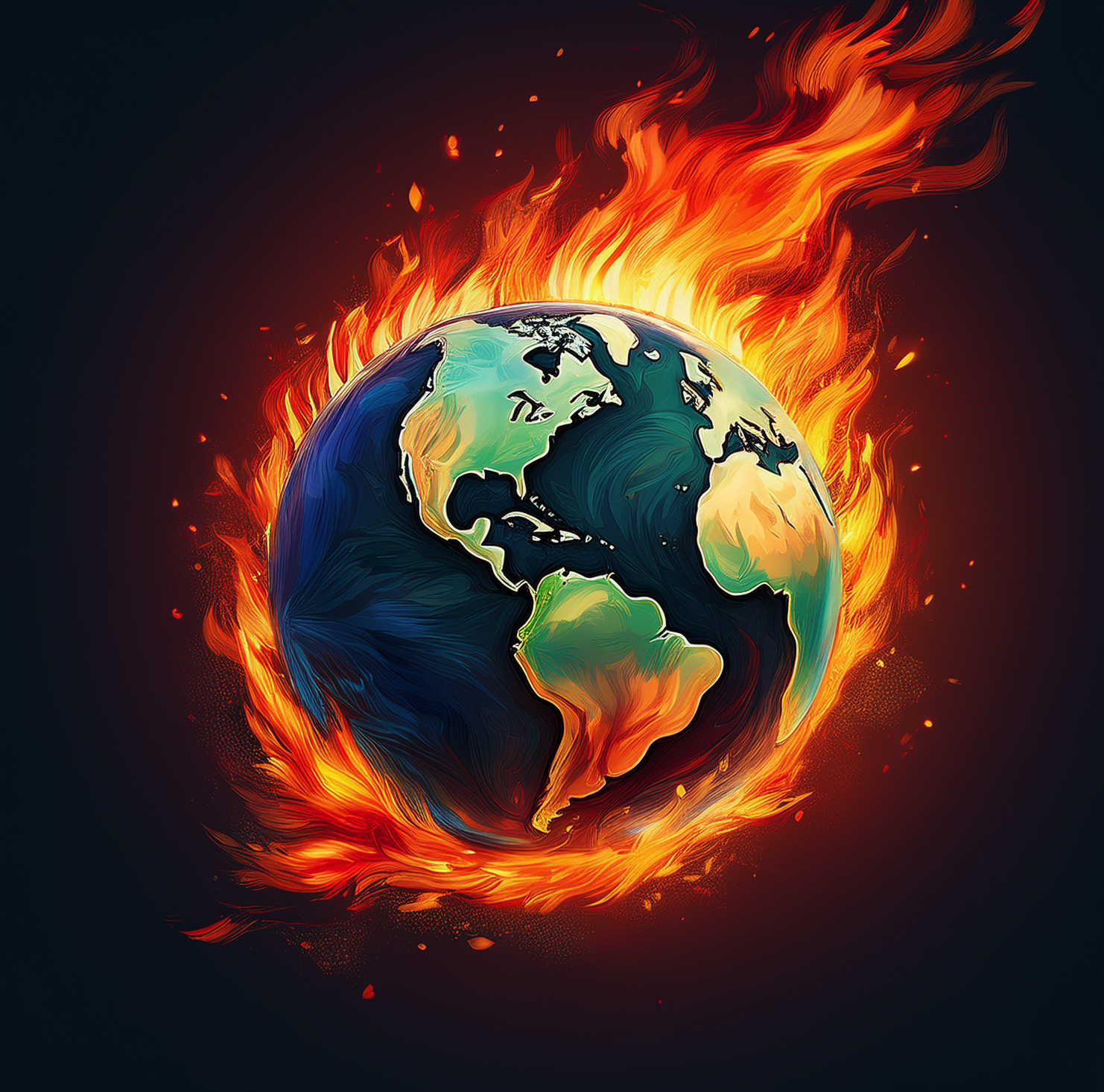 Rising temperatures can significantly affect physical health. The body must work harder to regulate its internal temperature, and some people cannot tolerate or manage extreme heat effectively. These effects are especially concerning for older adults, who face increased hospital visits and a higher risk of premature death during periods of extreme heat. People with preexisting psychiatric conditions may also be particularly vulnerable.
Prolonged heat exposure affects the body’s stress-response systems. The endocrine system may increase cortisol production, adding to existing stress and interfering with customary coping methods. Continued exposure to high temperatures can contribute to prolonged stress, emotional vulnerability, and inflammation that may damage neurons and other cells.
Dehydration can impair memory, reaction time, accuracy, motor coordination, and executive functioning. It may also interfere with blood flow, neurotransmitter activity, and enzyme function in the brain. Recovery after injuries and surgery may take longer, adding to physical and emotional stress.
Extreme heat also affects workplace safety and productivity. Fatigue, impaired concentration, reduced skill, slower reaction time, and increased impulsivity can raise the risk of accidents. Heat may also influence how people interpret and respond to situations, potentially increasing the risk of conflict and violence. Mortality risks are higher for people with cardiac disease, diabetes, and asthma.
Substance-use disorders may worsen during periods of warmer weather, with one study reporting a 15 percent increase in the risk of hospitalization. Aggressive thoughts, anger, and aggressive behavior may also increase, while crime rates often peak during the summer months. Examples include road rage and other impulsive acts. Sleep disruption may further increase the risk of violence by reducing the mental resources needed to regulate aggressive urges.
The functional abilities of soldiers serving in tropical climates may decline over time with continued heat exposure. Similar concerns arise for sailors serving in extremely hot environments. For example, the crew of the USS Abraham Lincoln spent weeks in the Middle East under harsh conditions, including temperatures exceeding 140 degrees Fahrenheit on the flight deck. Their deployment lasted 295 days—the longest carrier deployment since the end of the Cold War. High humidity contributed to rapid oxidation and rust, while the ship’s internal systems faced substantial thermal stress.
During periods of extreme heat, homicide and suicide rates may also rise, along with self-injurious behavior. Gun violence, including incidents involving police officers and suspects, may become more likely.
Heat-Related Illness
Prolonged exposure to excessive heat can cause serious conditions such as heat exhaustion and heatstroke, both of which can be fatal, according to the Orange County Health Care Agency.
Symptoms of heat exhaustion include:
- Heavy sweating
- Muscle cramps
- Weakness
- Headache
- Nausea or vomiting
- Dizziness
Warning signs of heatstroke include:
- Extremely high body temperature
- Confusion or loss of consciousness
- Hot, dry skin with little or no sweating
- Rapid pulse
- Throbbing headache
To help prevent heat-related illness:
- Drink plenty of water.
- Wear light, loose-fitting clothing.
- When outdoors, wear a wide-brimmed hat and use sunscreen.
- Stay out of direct sunlight as much as possible.
- Avoid strenuous activity outdoors or in buildings without air conditioning.
- If you work outdoors, take frequent rest and water breaks in a shaded area.
- Never leave children, older adults, or pets unattended in a closed car or other vehicle.
- Check on people who may be especially vulnerable, including older adults who live alone, people with heart or lung disease, and young children.
- Stay cool indoors. If your home is not air-conditioned, visit a public facility or another cool location.
Climate Anxiety
A condition known as “climate anxiety” describes the distress people may feel about rising temperatures and the planet’sfuture. It can include anger, betrayal, dread, grief, catastrophizing, and anticipatory anxiety as extreme weather events and pollution become more apparent.
Rising temperatures have worsened in the United States since the 1970s. What has society been doing in response? We need to acknowledge pollution’s effects on the environment and urge our government to support cleaner air and stronger environmental protections.
Communities also have a responsibility to protect residents from extreme heat. This includes limiting strenuous sports activities during dangerous temperatures and providing public, air-conditioned spaces when conditions become unbearable. Planting more trees can create shade and reduce urban heat. Research has also suggested that investments in trees and green spaces may contribute to lower crime rates.
The research discussed here is correlational, meaning that it identifies relationships between rising temperatures and changes in behavior or health. Correlation does not necessarily prove causation. Individuals also respond differently to heat, so these findings should not be generalized to everyone.
By the time this article is published next week, the forecast calls for cooler temperatures in the 80s. Cross your fingers!
Thank you
- Taliercio, J. R. (2026). Heat on the brain: The impacts of rising temperatures on psychiatric functioning, potential causes, and related compounding factors. American Psychologist, 81(5).
- My thanks to Michelle Gottlieb for bringing up this topic in the last issue of Balance and Change.
Share this:

Discover more from Fullerton Observer
Subscribe to get the latest posts sent to your email.
Categories: Health, Local News


