
Audio is unedited per League of Women Voters requirements. Below is the transcript – any errors in the transcript are due to Saskia Kennedy. See unedited video below.
Fullerton City Council Candidate Forum — Districts 3 and 5
Hosted by the League of Women Voters of North Orange County
Moderator: Christina Frinault; Timekeepers: Peter Kalin, Vance Williamson; Question sorters: Jody Balma, Jennifer Trafford
Candidates (seated by random draw):
- Oscar Valadez — District 5
- Shana Charles — District 3 (incumbent)
- Jozef Maldonado — District 5
- Daniel Kim — District 3
 https://www.cityoffullerton.com/home/showpublishedimage/8971/639095303867230000
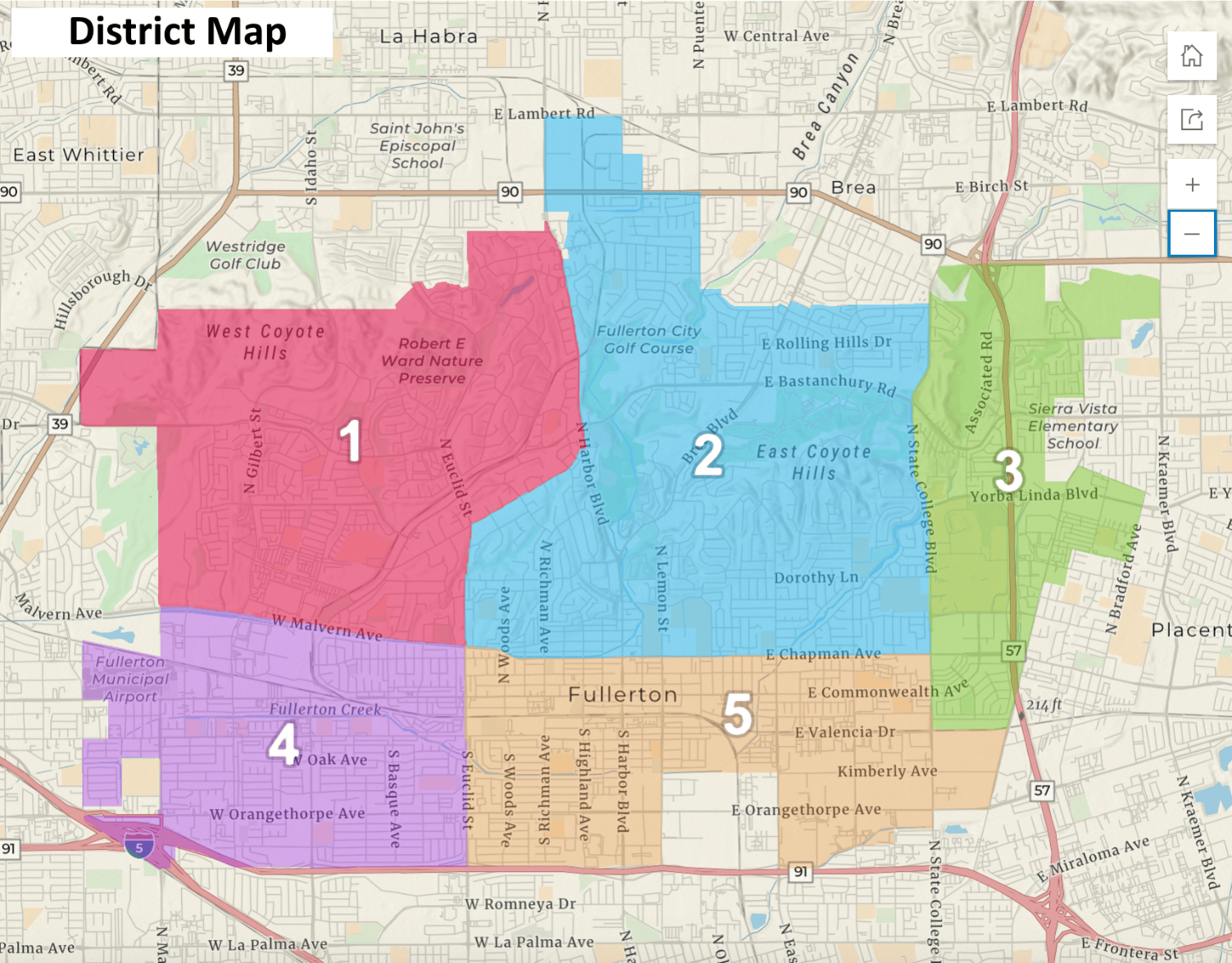 https://www.cityoffullerton.com/home/showpublishedimage/8971/639095303867230000
District 3 is oriented vertically along the 57 freeway and includes CSUF but not Fullerton College. West: State College Blvd; East: the city limit, bordering Placentia and Brea; North and south: the city limits. It runs the full north–south length of that side of town.
District 5 is the south-central district. North: Chapman Ave; West: Euclid St, with District 4 on the other side; South: the Anaheim city line; East: State College Blvd, shared with District 3
Welcome and Ground Rules
MODERATOR: This is a candidate forum, so every candidate will be asked the same questions. We ask that the audience stay polite and hold applause until the end — if we clap for everything, we won’t get through as many questions.
Good evening. My name is Christina Frinault. On behalf of the League of Women Voters, the candidates and I welcome you to tonight’s forum. The League of Women Voters is a trusted, nonpartisan political organization that has been active for 100 years. While we never endorse a candidate or a party, we are directly involved in shaping important issues to keep our community strong. As a League member, I have the opportunity to contribute in ways that have a real impact on local, state, and even national issues. If you’re interested in making a similar impact, please pick up the League information available tonight. Membership is open to men and women.
Assisting us this evening are our timekeepers up front, Peter Kalin and Vance Williamson. They have time cards and will signal 30 seconds, 15 seconds, and stop. We’ve tested it, and everyone can see them. Our question sorters, Jody Balma and Jennifer Trafford, will collect questions from the audience. If several questions are the same, they’ll consolidate them and ask the question once.
The candidates drew cards for their seats, so the seating is purely the luck of the draw: Oscar Valadez, Shana Charles, Jozef Maldonado, and Daniel Kim.
The ground rules are simple. Please turn off all electronic devices. Each candidate will have two minutes for an opening statement, one minute for each response, and one minute for a closing statement. Opening statements will go in seating order, and closing statements in reverse order. We’ll rotate who answers first on each question, so no one candidate is always put on the spot while the others have time to think. We’ll try to get through as many questions as possible. We need to close at 8:30, so a little before then we’ll take the last question and make sure each candidate has time for a closing statement.
Finally, I need to read the FPPC statement. This evening’s forum is being video- and audio-recorded, and it will be posted on City Channel 3 and on the city’s website.
The League of Women Voters, tonight’s sponsor, has not authorized any video or audio recordings of this forum other than repeat television broadcasts provided on the local government, education, and public access channel. If any recordings are made by any member of the audience, we strongly urge that the forum be recorded in its entirety and not edited in any way. The FCC requires that videotape of a debate or forum not be edited and must be broadcast in its entirety, either live or reasonably soon after it takes place. Both the FCC and the League want to ensure that information is not manipulated to create false or misleading impressions. Therefore, no candidate is allowed to use or edit footage for campaign purposes.
On that note, we’ll begin with opening statements. Each candidate has two minutes. The candidates have agreed to go by their first names. Oscar, please begin.
Opening Statements
 OSCAR VALADEZ: Good evening, and thank you to the League of Women Voters for bringing us together. My name is Oscar Valadez, and I’m running for Fullerton City Council in District 5.
I’m the son of Mexican immigrants who came to this country seeking opportunity and built their lives here. I was born at St. Jude Hospital, grew up in South Fullerton, and attended St. Mary’s School and Servite High School. Today, my wife and I are raising our two sons here. Fullerton is my home, and this community has shaped my life and given my family opportunities across generations.
I’ve been giving back through service. I currently serve as chair of the Fullerton Planning Commission, and I’ve also served on the Parks and Recreation Commission and the Transportation and Circulation Commission. I’ve been a team leader for several Love Fullerton events and KaBOOM! playground-building projects, and through Fullerton Sunrise Rotary, I’ve worked with neighbors and community organizations to improve parks and neighborhoods.
These experiences have shaped how I approach problem-solving. I believe in community-based, collaborative work. City Hall cannot and should not try to solve every challenge alone. Effective solutions come from bringing residents, schools, nonprofits, businesses, faith communities, city staff, and other partners together.
My priorities include improving neighborhood safety, streets and infrastructure, parks and public spaces, fiscal stability, and public trust, and supporting the full range of housing options to meet the needs of all residents. I also reject the idea that progress must be zero-sum. We can disagree and still work together, and we can find common ground. If elected, I will bring people together, focus on what matters, hold City Hall accountable, and deliver results for Fullerton. Thank you.
MODERATOR: Thank you. Shana.
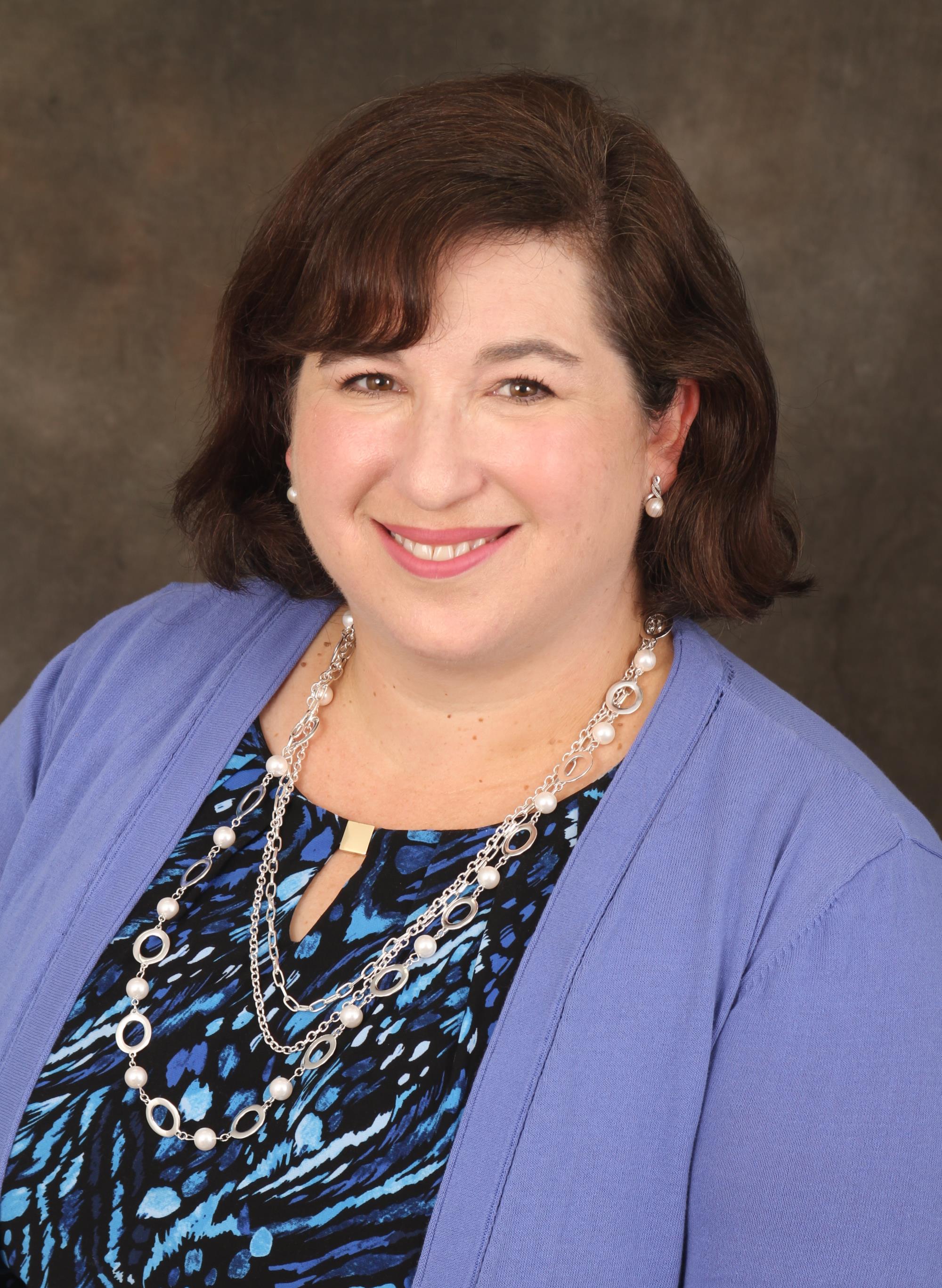 DR. SHANA CHARLES: Thank you to the League of Women Voters for hosting this incredibly important forum, and thank you to everyone attending tonight and watching the broadcast. I’m Councilmember Shana Charles, and I’m running for re-election in Fullerton’s District 3.
When I ran four years ago, it was to ensure that every neighborhood in Fullerton is healthy, heard, and heading in the right direction. During my time in office, I’ve led efforts to repave our streets, increase road safety, reduce homelessness, and build more housing. I also brought back important community events we love, like the Fourth of July fireworks. I’m the only councilmember who holds weekly office hours because I will always listen to the community.
I’ve heard loud and clear from Fullertonians what we need to do. We need to fix our roads. We need to make sure our communities are safe. We need to provide important city services, like a library that’s open seven days a week, transportation and meals for our elderly residents, and services for our unhoused neighbors.
Let me tell you how I started my time on the council. After I was elected in 2022, the president of the East Fullerton Little League contacted me. He told me the dugouts at Chapman Park were dilapidated and needed renovation. He wasn’t asking for money — the parents would fund the renovation — but they needed city permits and had been trying to get them for years. I got on the phone and made sure the city manager got on it, and within one month they had their permits and were able to renovate in time for the 2023 baseball season. That’s how I operate on council: I listen to the public, and I make things work.
I hope you’ll join the Democratic Party of Orange County, Councilmembers Tran and Correa, and Assemblywoman Sharon Quirk-Silva in supporting me to be your voice on the Fullerton City Council. Thank you.
MODERATOR: Thank you. Joseph.

JOZEF MALDONADO: Thank you to the League of Women Voters for hosting tonight, and good evening, everyone. My name is Joseph, and today is actually my birthday — so thank you so much for attending my birthday party.
In all seriousness, I’m running for Fullerton City Council District 5 because I believe working families finally deserve a place behind the dais. I’m a scientist — a chemist — and I’ve served on the Parks and Recreation Commission.
I come from a working-class background. My father is an immigrant who came here at 16, and my mother came from Puerto Rico at a young age. We were not wealthy by any means, but we worked for everything we had. That upbringing is how I became a chemist while attending UC Davis around 2016–2017. That experience taught me what it means to give back and apply science to public service: listening to people, applying the data, looking at the evidence, and making sure decisions are made with people in mind.
That led me here to Fullerton, where, as a Parks and Recreation Commissioner, we delivered the UP Park and Trail — which my partner and I personally helped build with KaBOOM! — and new playground equipment at Emery Park. Those accomplishments taught me what community is about, and I hope to replicate that on the council, with your help. I hope tonight I can earn your support so we can go to council together. Thank you.
MODERATOR: Thank you. Daniel.
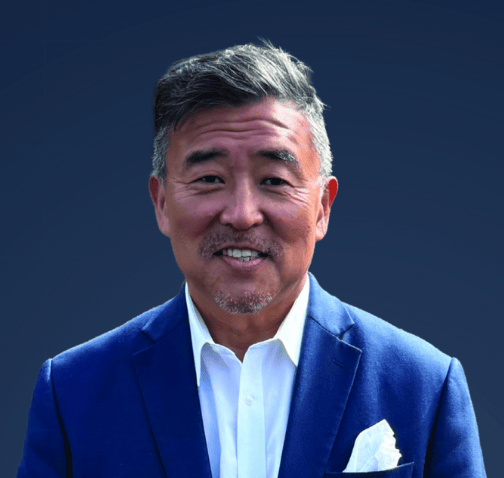 DANIEL KIM: My name is Daniel Kim, and I’m running for City Council in District 3. I’d like to share a little of what I believe and a bit about myself.
I believe in action, and I’ve lived my whole life trying to act on that. I’ve lived the American dream. I came here when I was four years old; my father was a pastor assigned to the U.S. I know what it’s like growing up as a poor pastor’s kid, going hungry at night. Throughout high school, my bedroom was the living room, where I rolled out a bedroll every night and rolled it up every morning.
I went to UCLA, then graduate school at Harvard, and then had the opportunity to go to Wall Street. I worked 30 years as an investment banker in New York and abroad. I know how to look at companies. I’ve done 30 years of turnarounds, raising funds, restructuring balance sheets and budgets, and working through problems and strategic issues. Those are skills I want to bring to the City of Fullerton. We’re facing a big budget deficit and fiscal crisis, and I believe my skills and experience can help.
But I’m not all business management. I have perspective. Eleven years ago, I lost my son in a camping accident, and that led me down a very different road. I started the Dragon Kim Foundation, named after my son, which empowers young people to contribute to and build their communities. That, too, was taking a tragedy and turning it into action, and we are dedicated to community service. Thank you.
Question 1: Why did you choose your neighborhood in Fullerton? How long have you lived here, and what is the biggest challenge in your district?
MODERATOR: Now we begin with questions. Each candidate will get the same question and the same amount of time — one minute — to respond, and we’ll rotate who goes first. Question one, beginning with Oscar.
OSCAR VALADEZ: Thank you very much. I’ve always lived in District 5, even before it became a district. I grew up on Truslow, in the barrio of Fullerton, and then we moved to Woodcrest on Newwood. When I came back from Stanford University, I was fortunate enough to buy my house on the 200 block of Whiting — beautiful bungalows, in the heart of downtown Fullerton. There I married my beautiful wife, and we have two boys, 12 and 14, who get to experience the beautiful city of Fullerton. Thank you very much.
DR. SHANA CHARLES: I first moved to Fullerton in 2001, into the Homestead Apartments right across from Cal State Fullerton. I had just finished my master’s in public policy at UCLA — my second degree from there — and I went on to get my PhD. I loved Fullerton so much that I lived here and drove all the way up to UCLA, back before the carpool lanes existed. People would ask why I was driving “halfway to San Diego” every day, and I’d say it’s because Fullerton is so wonderful and I love where I live. I can’t imagine living anywhere else.
My kids are third-generation Fullertonians. Their dad grew up here and also went to Servite High School. This is very much our community and our home. When I got a tenure-track job at Cal State Fullerton and no longer had to commute to UCLA, I was very excited to both live and work in District 3, and I’ve been doing that for the past 11 years. Thank you.
JOZEF MALDONADO: Thank you for the question. I moved here in the middle of the pandemic, in 2021, into my current apartment off Whiting. I had to wait in about a mile-long line just to see the apartment. If anything shows how deep a housing crisis we’re in, that was one of those moments.
But I love Fullerton. Fullerton has given so much to me as a person, as someone who was raising himself here. I learned, especially during the COVID years, that this community is strong, resilient, and better together. That’s what I’m fighting for — something we can build together, rather than separately and alone. Thank you.
DANIEL KIM: I’ve been coming to Fullerton for the last 15 years. I have a lot of friends here, and I’ve spent three or four nights a week here. I’m new to living in the Fullerton community — I’ve lived here for about a year, in the apartments off Placentia and Madison. I downsized when all that was left in my house were two dogs and myself, so rather than driving up here all the time, I decided to move here.
But judge me on what I’ve committed and invested in this community. For the last 15 years I’ve participated in the local economy, and even more so since the Dragon Kim Foundation started. I’ve funded numerous projects here with high school students, training them and giving them grants of up to $5,000 to carry out their community service projects. So I’ve spent a lot of time here, not only with friends but with students who reinvest in the community. Thank you.
Question 2: Will you abide by the city’s mayoral rotation policy, or will you continue to support the current power consolidation on the council? Why or why not?
MODERATOR: Candidates, if you need me to repeat a question, just ask — it won’t count against your time. This question begins with Shana.
DR. SHANA CHARLES: I love that I get to answer this first. According to the mayoral rotation policy, I should be the current mayor. I was mayor pro tem last year, and the policy says the mayor pro tem should serve as mayor the following year. So I absolutely believe in it.
People ask, doesn’t that mean Nick Dunlap, our current mayor pro tem, should be mayor? No. The policy says it’s the person who has served as mayor pro tem and has gone the longest without being mayor. Mr. Dunlap was mayor just a few years ago; I have yet to serve. So under the rotation, I would still be mayor next year, and I look forward to encouraging that.
It’s really important that different districts are represented as mayor and mayor pro tem. It makes a difference. The mayor controls the meeting and controls where people sit on the dais. People ask me why I’m banished to the end, past the city manager, and why Ahmad Zahra is banished over there, past the city attorney. It’s because the mayor wanted it that way. The mayor also has the ability to control the agenda. It makes a difference, and District 5 being cut out for so many years has been unconscionable. Thank you.
JOZEF MALDONADO: Yes, absolutely — I will respect the mayoral rotation when I’m on council. One of the reasons the city is facing a recall of two of our councilmembers is their role in consolidating power in the seating structure. It’s about time the Fifth District gets representation, either as mayor pro tem or as mayor. We’ve been disenfranchised by our current city council for the past few years, and continuing that structure is untenable and unjustified. Thank you.
DANIEL KIM: Yes, I would support the rotating mayor. I think it’s important that each district gets representation. However, I want to make sure it’s not a matter of ego. Here, as in many Southern California cities, the rotation is a courtesy. Either way, there shouldn’t be ego involved. A councilmember is a councilmember, and each has a full voice and authority on the council. I want to work with anybody who’s willing to help make the city better. The bigger issue, I think, is a lack of trust from residents in the council, and that needs to be addressed through communication, transparency, and openness with the residents. Thank you.
OSCAR VALADEZ: I also agree with the mayoral rotation; I think it’s a sound policy. But it needs to be reviewed, because the way it’s written is confusing. You’re supposed to honor the rotation, but you also have whatever the majority votes for. That sets you up for the clashes we’ve seen over the last several years, so the policy needs review.
As for the recall we’re discussing, that’s a complete mistake. We’ll be spending over a million dollars on a recall — resources the city is lacking and that would be better used on other problems we have. People can shake their heads in their seats, but I think it’s a big mistake. We’ll find out. Thank you.
Question 3: What are your thoughts on affordable housing in our city? Is it an issue? What have you done regarding affordable housing, and what policies do you support?
MODERATOR: Jozef, this question is for you first.
JOZEF MALDONADO: That’s a fantastic question, thank you. Affordable housing is one of the most important issues we face — not just in Fullerton, but in California. As I mentioned, when I moved here five years ago, I had to wait in a mile-long line just to see my apartment. Now, when I’m knocking on doors, people tell me they’re paying over $3,000 for a two-bedroom apartment that’s barely maintained by the landlord. Not only are the options for people trying to make a home in Fullerton poor, but there also aren’t enough to go around in the first place. It’s unconscionable that we’re not investing in low-income housing, and we should not be denying low-income housing for any reason. Thank you.
DANIEL KIM: Affordable housing has a couple of different aspects. I’m the executive director of a nonprofit called Spectrum Affordable Housing. I’ve led it since 2019, and we have built thousands of homes and residences over the last 10 years.
Going forward, the city has to build more than 10,000 homes under state mandates. That’s a lot of homes and a lot of people — where are we going to put them? On one end, affordability is about allowing the young schoolteacher or the young family to buy a home and have a path to ownership. On the other end, people who are more in need require a lot of services, and we need to build homes and residences for them as well. The city needs both, and coming up with a comprehensive plan is something I plan to do. It’s very close to my heart. Thank you.
OSCAR VALADEZ: We absolutely need more housing in Fullerton, but we also need to build the right housing in the right places. I want to focus on senior, workforce, and family housing — housing that allows our seniors to stay in the community, gives young families an opportunity to establish themselves here, and allows people who work in Fullerton to live in Fullerton.
We should encourage housing where it makes sense, particularly along major transportation corridors and in appropriate commercial areas, while being sensitive to established neighborhoods. When projects come before us, I will listen to residents and look carefully at traffic, parking, infrastructure, design, and neighborhood impacts, while meeting our obligations under state housing law. I don’t believe housing and neighborhood preservation have to be competing goals. With good planning, community involvement, and thoughtful development, we can provide more housing while protecting the quality of life that makes Fullerton a great place to live. Thank you.
DR. SHANA CHARLES: Thank you. I really think this is the most important issue. I’m currently a renter. I was a homeowner and got hit hard in the crash of 2008, and I’ve been a renter since. Renters are permanent residents of the city, not temporary, as some people think, and it matters when rents keep rising unaffordably.
In terms of building affordable housing, I supported 1600 Commonwealth and was there for both the groundbreaking and the ribbon-cutting. I supported converting existing housing into affordable housing; I was outvoted by the council majority, but we could have had 390 more units of affordable housing. And by the way, “low income” in Orange County is now over $100,000 a year. It’s hard to wrap our minds around that, but it’s for everybody — it would have been for faculty and for students. Unfortunately, the council majority didn’t do it. I also supported the Hermosa Drive project, which our Planning Commission illegally voted down. It was shocking that they did that, but we got it done on council. I’d love to talk about this for an hour, but the card says stop. Thank you.
Question 4: Who is financing your campaign, and who are your biggest endorsements?
MODERATOR: This question begins with Daniel.
DANIEL KIM: Thank you. I’m very fortunate to have a large network of friends who are all contributing to my campaign. I don’t have many endorsements. I’m not a politician and never have been — I’ve been in the private sector all my life — so I didn’t think to go out and get a lot of endorsements. So that’s my answer.
MODERATOR: Are you finished? Thank you. Oscar.
OSCAR VALADEZ: I’m the same. I have diverse sources of funding for my campaign, and I’m the primary donor right now. As for endorsements, I haven’t heard whether Joseph accepted his dual endorsement from the Sierra Club, but if he did, we’ve both been endorsed by the Sierra Club. Other than that, the important endorsements I’m looking for are the endorsements of the voters and residents of District 5.
MODERATOR: Thank you. Shana.
DR. SHANA CHARLES: I’d encourage everyone to read the Fullerton Observer article that states that his biggest donor is Mr. Bushala, and that his biggest donor currently is Fred Jung, along with $20,000 he’s loaned to himself. Those are real things.
I have over 200 individual donors here in Fullerton, and I’m very proud of that network. My biggest endorsements so far have come from Assemblymember Avelino Valencia, who will be our next state senator after this election. I’m glad to be working with him. The hardworking families of Fullerton’s police and fire have both endorsed me, as has the Orange County Employees Association, and I stand in solidarity with the Orange County Labor Federation. I do have some larger donations from those unions, and proudly so. I’m also endorsed by Councilmember Ahmad Zahra and many members of the Fullerton Elementary School District board and the Fullerton Joint Union High School District board. I work with lots of people, and I work across the aisle as well. Thank you.
JOZEF MALDONADO: Thank you for the question. The people who support me are the community. I have over 170 individual donations from people all around Fullerton — laborers, nurses, doctors, teachers — people who believe in my message of hope and community. I’ve also been endorsed by labor unions, including the police and fire unions, which endorsed me just today, and NUHW. There’s a lot of connection in the coalition I’m building.
But while I’m happy about the people who have endorsed me, I’m equally happy about the ones who haven’t. I am not taking any donations from the Bushala brothers, and I am not taking any donations from Fred Jung. I am committed to the community, and I want to reflect the community. Thank you.
Question 5: What is your position on the use of Flock in Fullerton?
MODERATOR: Back to the top with Oscar.
OSCAR VALADEZ: First, I want to address the issue of Bushala and Fred Jung. Everybody in this audience needs to understand that at some point, Ahmad is going to be gone, Fred is going to be gone, and we’re still going to have the same problems in Fullerton. You can shake your heads and say that’s not the case, but we’ll still face those problems. At some point, we have to decide whether we’re going to be constructive and find solutions together. I’m willing to work with everyone on finding solutions, but that requires people acting in good faith.
[The moderator asks the audience to refrain from comments.]
I’ve worked in this community in good faith to find solutions. At Truslow Park, for example, I spent time with the Rotary and the neighbors cleaning the park; we painted a mural, and we’ve brought a mobile food pantry to serve the community multiple times. That’s something I want to do throughout Fullerton. Thank you.
MODERATOR: Shana — what is your position on the use of Flock in Fullerton?
DR. SHANA CHARLES: Thank you. I support civil liberties first and foremost; it’s one of my bedrock principles. As folks here know, I led Fullerton’s effort to fight against ICE. We joined the amicus brief that just received an injunction, thankfully. So I’m very concerned when agencies violate the Fourth and Fifth Amendments.
Our Fullerton Police Department is very much a community-policing organization, and the fact that they’ve endorsed both of us, I think, shows they trust us to think these decisions through. Flock has been in Fullerton since the pandemic, and ALPRs even earlier. We’ll be having a big community conversation about it at the next council meeting, and the community’s voices really need to be heard. I understand police say it’s an important tool — we received a presentation on that — and we have a lot of guardrails in place right now. But we may need more, and we need to hear from the community whether it’s acceptable to them. Thank you.
JOZEF MALDONADO: Thank you for the question. The police are facing an unprecedented situation. Just four years ago they had around 160 uniformed officers; now they have around 120, and they’re facing further reductions. So my position is that police deserve the tools they need to succeed and make hard decisions. However, we need to protect our right to privacy, which is both inherent and earned in this society. I’m excited to work with Chief Reyes and the police department to balance protecting our rights as private citizens with making sure they have the tools that keep us safer late at night. Thank you.
DANIEL KIM: I think there’s a misconception. Flock cameras are not the problem — they’re license plate readers — but I understand there are concerns. It’s not an invasion of privacy, but I do think guardrails need to be in place to ensure that law-abiding citizens’ information is not shared, and I think the police have done a pretty good job of that. Let’s look at more ways to protect civil liberties.
Technology is going to keep advancing, and there are tools that make public safety faster, more efficient, and less costly. The police represent 72 percent of Fullerton’s budget. That’s a huge portion. We need more public safety out there, and that’s very important to me. I stand with public safety. Thank you.
Question 6: How do you feel about the sale of cannabis in the City of Fullerton?
MODERATOR: This question is for Shana first.
DR. SHANA CHARLES: At the moment, we don’t have legal cannabis sales, and I think it’s a real shame that we didn’t follow the ordinance that was passed on a bipartisan basis. Jennifer Fitzgerald, a Republican, was mayor at the time it passed — I believe in 2019 — and it was rescinded in 2020.
My understanding is that legal cannabis, which the police also support, means police don’t have to keep chasing so many illegal stores. They know where the stores are; we have good regulations and good governance, and we collect an estimated $5 million to $10 million a year in sales tax revenue that we’re not collecting now. Our budget deficit would have been covered if we hadn’t rescinded that policy in 2020. We wouldn’t be in the financial situation we’re in now. Again, this was supported by the police department and on a bipartisan basis. We need to get back to good regulation and address these issues as adults, not in a knee-jerk way. Thank you.
JOZEF MALDONADO: Thank you for the question. In the face of a $4 million deficit, we should be open to all forms of additional revenue for the city. I think there’s an educated, smart way to legalize cannabis in the city, but it has to involve public safety — the chief and our police department — as well as community groups like America on Track and the Woodcrest community, because they’re the ones most affected by those decisions.
If we can all reach some kind of agreement on the regulations and the security around it, and require that the product sold is lab-tested and certified so we’re not selling just anything to the public, then with those safety precautions I believe we can not only help solve our budget crisis but also address a safety crisis. Thank you.
DANIEL KIM: On cannabis, I’d say let the people decide. Let’s make it a ballot measure and let all the residents decide, because it’s going to affect everybody. A small minority of people use cannabis and would benefit from the stores; I get that.
But Councilmember Charles, I’d challenge you on your numbers. If cannabis sales would bring in about $5 million a year in tax revenue, and the city gets roughly 1 percent of sales tax, that implies about $500 million in cannabis sales in Fullerton. That’s an awful lot of weed. So I think your numbers are off. It would be closer to about half a million dollars in additional tax revenue for the city. Thank you.
MODERATOR: I’d like to remind the audience: please, no comments. [The moderator realizes Oscar has not yet answered.] I need to stop looking at my chart and start looking at your faces. I’m sorry. Oscar.
OSCAR VALADEZ: Cannabis dispensaries are not a panacea for all of Fullerton’s economic problems. I think this is a classic example of how bringing dispensaries to Fullerton failed because people didn’t take a collaborative approach. Joseph, you mentioned the Woodcrest association. The moms from that group were against the dispensaries, but they were willing to compromise on a number of dispensaries. Mr. Zahra decided he wanted more, and that’s why they turned against him. You can shake your heads again.
That’s the problem we have. I agree with Daniel Kim that this should be put to the voters to decide whether we’ll have dispensaries in the future. The other concern is that even when dispensaries are legalized, you’ve seen many LA Times articles about the problems they still cause the City of Los Angeles. Thank you.
Question 7: The majority of Fullerton’s general fund goes to fire and police, and Fullerton has tough budget decisions ahead. How will you continue to fund fire and police and expected pay increases without busting the budget?
MODERATOR: Next question, for Jozef first.
 JOZEF MALDONADO: That’s a fantastic question, thank you. I’ll be the first to say public safety is one of my top priorities, because public safety encompasses so much beyond fire and police — it’s even whether a sidewalk is properly leveled.
One way we can address the police and fire budgets while keeping the services we have is to invest in our existing infrastructure. That includes investing in downtown by creating an economic zone there — investing in Walk on Wilshire and opening that area up again, and investing on the other side of Harbor as well — so we can create the solid economic hub downtown is supposed to be. Thank you.
DANIEL KIM: Could you repeat the question, please?
MODERATOR: The majority of Fullerton’s general fund goes to fire and police. Fullerton has tough budget decisions ahead. How will you continue to fund fire and police and expected pay increases without busting the budget?
DANIEL KIM: Thank you. This is a very tough question. I believe in public safety, and I want to make sure we support our police and fire departments. Like in most cities, they represent the biggest chunk of the budget.
The problem here is that we’ve underpaid police and fire for so long that many young officers and firefighters who are trained here get poached by surrounding cities. That shortfall then has to be picked up by other firefighters and officers on different shifts, and the overtime we pay exceeds any pay increase we would have had to give. Short-term issues turn into longer-term problems. Let’s fix the overall budget. Let’s bring trust and transparency and develop a multi-step plan to increase revenues so we can balance the budget without eating into our reserves. Thank you.
OSCAR VALADEZ: Public safety is one of the most important responsibilities of local government. Unfortunately, in Fullerton it’s now over 70 percent of our general fund, and when that happens it’s typically unsustainable. We have to find new ways to fund it.
But I’d say the biggest deficit we have in Fullerton is that people don’t trust City Hall and don’t trust the City Council. We have to be committed to finding people of good faith who will work together on the solutions we’ll need over the next several years, because what we have is not sustainable. It’s critical that we find the funding to pay for our police. I went on a police ride-along last weekend, and their service is incredible. A woman had become disoriented, and the officer who responded was compassionate and professional — and the same goes for the fire department. Thank you.
DR. SHANA CHARLES: Yes, police and fire are over 72 percent of the general fund. That is not 72 percent of the total budget. Public Works is over $90 million — it’s actually the largest department in our budget. The general fund is separate from the total budget, and I think a finance guy should understand that.
Also, we voted for these contracts. I championed them and voted for them on the dais three years ago, so we are no longer losing younger officers. We’ve rebuilt our fire department with the current contracts, so that information is out of date.
I didn’t want to go back to that, which is why I voted against our current budget. It left $16 million in reserves while we cut police and eliminated a fire marshal — we have a fire department without a fire marshal right now. It’s like letting our kids starve while sitting on a savings account, and it doesn’t make any sense. The Fiscal Sustainability Committee, which I championed and created — the citizens’ committee that reviewed the budget — recommended two special taxes or a one-cent general tax to increase revenue. Thank you.
Question 8: Do you support reopening Walk on Wilshire by closing Wilshire?
MODERATOR: This question starts with Daniel.
DANIEL KIM: I see the benefit of it. I think a balance could work, with the street closed during certain hours. But all the residents and the businesses on that street need to agree, and I don’t think it should be legislated from the dais by the City Council. It’s a great discussion to have, though, and I’m certainly open to it.
MODERATOR: Are you finished? Thank you. Oscar.
OSCAR VALADEZ: Thank you for the question. It’s another clear example of how consensus and collaboration would have solved the problem and found a solution for Walk on Wilshire. Some people wanted to close the street and some wanted to keep it open, but there was no one advocating for, say, closing it only on weekends or at certain hours. That happens in other cities. In San Diego’s Gaslamp Quarter, the streets are open in the morning and closed at night for pedestrians. Something like that could have happened here and been successful, but people weren’t willing to compromise.
I’d really encourage everyone in this audience to practice finding compromise and working with people we disagree with. It’s so easy to be angry and say, “I’m not going to listen to this person,” and that has to stop. Thank you.
DR. SHANA CHARLES: Let’s be clear: Walk on Wilshire had an incredible amount of community support. It had over 1,200 individual signatures on a petition to keep it, and more than 70 — that’s seven-zero — downtown businesses signed the petition saying they wanted Walk on Wilshire too. Unfortunately, a very small handful — I think it was five businesses, all in a Tony Bushala–owned building — got their way because they said they needed parking. Well, they have about six more parking spots now that Wilshire is open again, and we’ve lost the community space that made Fullerton famous. It was the cover photo in LAist about how walkable our downtown is. It won awards — our planners got national awards for Walk on Wilshire — and it got destroyed because a handful of people wanted it gone, including one person I won’t even call a developer. It’s sad, and I will absolutely fight to bring Walk on Wilshire back. It was a good idea, the community wants it, and we need it back. Thank you.
JOZEF MALDONADO: Thank you for the question. I believe we should expand economic development on both sides of Harbor — not just reopening Walk on Wilshire, but also investing in the alley behind the Night Owl and in the area south of Commonwealth. These areas need significant economic development and investment to improve walkability and bring more people to our city to spend money. A lot of our problems can be solved with the right kind of investment.
We are not Brea — we don’t have the mall. We’re not Buena Park — we don’t have Knott’s Berry Farm. But we do have a golden opportunity, which is downtown. If we invest in that area, people will come, as we’ve seen with the FIFA matches and elsewhere. We can make it a reality. Thank you.
Question 9: Will you be civil on the council, and how will you listen to the community and not your wealthy donors?
MODERATOR: Oscar first. Everybody gets the same question.
OSCAR VALADEZ: That’s all right — I hear the comments from the audience. All I can tell you is this: there may be people in Fullerton you don’t like who have donated to my campaign, but I am going to work for the residents of Fullerton. That’s my focus. I’ve been here for 54 years, and that’s my priority. My practice has always been to collaborate with everybody and bring people together. If you get to know me, you’ll see that’s what I do. I don’t work for any one person. My concern is improving Fullerton and its quality of life. That’s my absolute goal. Thank you.
DR. SHANA CHARLES: I remember the wealthy-donor part — could you repeat the question, please?
MODERATOR: Will you be civil on the council, and will you listen to the community and not your wealthy donors?
DR. SHANA CHARLES: Let’s start with the first part. When I first joined the Fullerton City Council, there was no discussion happening up here at all. It was five men who all kind of hated each other — that was pretty clear — and they weren’t talking. The votes would just happen, and nobody understood why. My first goal was to create an environment where people could talk to each other, where we could have open discussion, and where people would understand my votes even if they didn’t agree with them. I think I’ve succeeded. I’ve maintained good relationships with every member of the council, even though the majority knows I vote against them quite a bit. I still have good working relationships where I can talk with them about issues, because I believe in being civil. Many people have told me they’re glad I’m up there, because I’m the voice of calm reason trying to actually get things done.
As for donors, mine are all public servants. Assemblymember Avelino Valencia likes to point out that they can’t even afford housing in this area. Thank you.
JOZEF MALDONADO: Thank you. Yes, I believe in civility. As someone who gets in trouble all the time for talking to too many people, I can confirm I will not only expand my own circle but reach out to others as well. It’s not just one group that has an interest in Fullerton — everybody does. It’s my job to at least hear people. I may not agree with everybody at the end of the day, but I know you have a right to be heard.
As for wealthy donors, I can tell you from my fundraising that I don’t have many. My donors give $20 to $50 at a time. Those 170 people are regular folks, and I’m proud of them and of what we’ve raised. But I’m here for the community, and I hope they know that too. Thank you.
DANIEL KIM: Yes, civility is very, very important, but the larger issue is building trust — not just within the City Council, but between the council and the residents. I don’t think there’s a lot of trust in the City Council from residents right now, so we need to increase transparency, openness, and open dialogue. As representatives of the people, we need to carry out the people’s will, and listening to everybody and trying to reach consensus is very important.
One of the things I do is turnarounds. I’ve spent many years fixing companies, and the main thing I always try to do is save jobs. The only way to do that is cultural change within the company, and that centers on building trust all the way around. I’ve been in many boardrooms where M&A deals don’t happen until trust is built. Thank you.
Question 10: What specific ideas do you have to bring more businesses and money into Fullerton, and what cuts would you make?
MODERATOR: Shana first.
DR. SHANA CHARLES: I’m not sure about cuts — I don’t really want to talk about cuts. I think we’ve already cut to the bone, and I don’t think we should be cutting further. That’s why I voted against the last budget, which made a lot of cuts.
Bringing businesses to Fullerton is something I’ve been working on for four years, and I’m proud that we attend the ribbon cuttings for all the new businesses that open. I’ve been promoting spaces where businesses could operate, especially on the east side — I want to make sure people don’t forget about that. We should also take advantage of our student population of 45,000. Cal State Fullerton is state land, but the sales tax generated there does come to the city. We also have open-air markets. The pop-up markets are the wonderful new, fun thing — they’ve been coming to downtown Fullerton almost every weekend, especially in the summer. I’ve promoted them, and they attract hundreds of young people from all over the region. Thank you.
JOZEF MALDONADO: Thank you for the question. To start, as I mentioned, investing in downtown will be critical. We’re facing a pretty big deficit, and I believe investing in ourselves will get us out of it. What I hope to bring to the table is not just additional parking downtown, but improved walkability, and more businesses throughout South Fullerton — making it faster and easier to open small businesses, with less red tape and shorter permitting times.
For example, there’s a business I visit a lot — Nasong. Just to install a microwave, their permitting process took over six months. I want to cut that time so businesses can make capital improvements to their storefronts as quickly as possible and we can reap the benefits. Thank you.
DANIEL KIM: As part of a larger short-, medium-, and long-term economic development plan, bringing jobs to Fullerton is very important. We have a large warehouse district that doesn’t generate much point-of-sale revenue for the city; goods just pass through.
If you look at Fullerton’s history, we started as a railroad stop for oranges and produce, and then quickly moved into high tech and aerospace — Hughes, Beckman Instruments. And if you didn’t know, the Fender Stratocaster was invented here in Fullerton. There’s a lot of diversity, and I want to encourage that — not only attracting domestic companies from out of state, but international companies entering the U.S. market. They have been coming, and we need to encourage it. As a city council, we can offer incentives to these companies. Thank you.
OSCAR VALADEZ: We’ve discussed the structural deficit in our budget, but I believe the biggest structural deficit we have is that our City Council doesn’t work well together and doesn’t have trust. As a business, why would you invest in Fullerton if the City Council can’t work together to solve the problems we face?
It’s important that we learn to disagree — disagreement is the engine of a functioning democracy. But being disagreeable is what’s killing us as a town. We need to learn to work together and solve these problems, so that businesses can see the roads being repaired, the infrastructure being fixed, and the streetlights being installed, and decide they’re willing to invest here. Thank you.
Question 11: What grade would you give the current City Council, and why?
MODERATOR: Let’s start with Jozef.
JOZEF MALDONADO: Oh boy. No disrespect to Shana, but I would give it an F right now. As you’ve probably felt, there’s a lack of credibility and trust — not just in the City Council, but in how we view our individual councilmembers. I’m focused on winning my seat, but I do read the news: two councilmembers are being recalled. I don’t have an opinion on them, and I want to be clear about that, but I understand the frustration people feel. We’ve promised roads for so long and they haven’t been built. The city pleaded for the legal defense fund, but the dais didn’t listen. A lot was promised that was never delivered, and I’m going to focus on delivering on those promises. Thank you.
DANIEL KIM: Fullerton’s credit rating with the major financial institutions has improved because of the budget that was finally passed this August. I think solving our problems will help, in both large and incremental ways, to secure larger amounts of financing and accelerate the turnaround. Working together is super important. We need to sit down and assess where everything stands — what we’re buying, what we’re spending on, and why revenues and expenditures don’t match. We need to be very disciplined about that process.
MODERATOR: Thank you. Oscar.
OSCAR VALADEZ: Could you please repeat the question?
MODERATOR: What grade would you give the current City Council, and why?
OSCAR VALADEZ: As a team, obviously, I would give it an F. The ability to work with each other is critical to dealing with Fullerton’s fiscal issues. The other really disappointing part — and one of the reasons I’m running — is the constant weaponization, attacking the individual. That has to end. You can’t keep attacking someone personally and then expect to get something from them. That’s something we need to change as a community, including everyone here in the chambers. Stop attacking individuals. Discuss and challenge the ideas all day, every day — I’m willing to accept and do that. But stop attacking individuals. It doesn’t help anybody.
MODERATOR: Thank you. Shana.
DR. SHANA CHARLES: I think people’s actions have consequences, and people are allowed to say they don’t agree with those actions. As a member of the City Council, I’ll be a little generous and give us a D-plus.
I noticed that my opponent did not give a grade, and that’s because he doesn’t want to upset Fred Jung, who is currently on the council. Fred Jung knows I’m not a vote for him. I’m a minority vote, and I will fight for my progressive values and always listen to the people. This person would be another Fred Jung vote, so if you want Fred to have a fourth vote, there you go.
I do think we deserve a D-plus, though, because at the last meeting, Mayor Pro Tem Nick Dunlap joined Councilmember Zahra and me to knock out Valley Vista. Valley Vista was incredibly corrupt. They had given $15,000 to Tony Bushala’s PAC to funnel directly into Fred Jung’s campaign. Their supervisor didn’t even deny it. It was an incredibly corrupt process that was brought to light, and I’m so glad Mayor Pro Tem Dunlap decided to reject it. So that’s a D-plus. Thank you.
Question 12: If you could wave a magic wand and do one thing today as a councilmember, what would you do?
MODERATOR: Daniel first — this is for all of you.
DANIEL KIM: We have a $200 million infrastructure backlog, including roads that need repair. In my district, we have some of the nicest neighborhoods and also some of the poorest. Just yesterday morning, we woke up to a dead body, and police are investigating. I’ve met residents whose children have been killed in those streets because of gang issues. All these issues come back to public safety and infrastructure.
The one thing I’d do: the roads are horrible, but the lighting and sidewalks are also inadequate. Right now, when the sun goes down at 7 or 8 o’clock, it seems okay. But what happens in winter, when it gets dark at 4:30 or 5? It’s pitch dark, and that makes for very unsafe neighborhoods. Thank you.
OSCAR VALADEZ: If I had the wand, of course, the roads would be it. But really, our critical role as councilmembers is to build community, and that’s what’s needed. How do we rebuild the bonds in our community? That’s critical. As a society, we’re in a tailspin because we can’t talk to each other about problems — people from different walks of life and different politics can’t discuss things. Anybody can come talk to me, and we can discuss any of these issues; that’s really important to me. So what I’d want is for people to be able to talk to each other again without getting angry. Thank you.
MODERATOR: Thank you. Shana.
DR. SHANA CHARLES: Honestly, I would wave that magic wand and give us the funding we need — and if that came from a one-cent general sales tax for the general fund, it could do all of these things. We could get the $225 million road-repair backlog done with 50 percent of that tax. We could also restore the lights. We’ve started installing solar lights in some neighborhoods — you might not have lived here long enough to know this, but Mystic, up off Placentia, has new solar lighting, as does another area off Associated.
With that funding, I would restore our library hours. I would restore the senior transportation that was cut. I’m so upset that seniors who can’t drive themselves can no longer get transportation for anything except medical appointments. That’s just not right. I would also revitalize our parks and build more housing. There’s so much we could do if we actually had the revenue. Thank you.
JOZEF MALDONADO: That’s a great question, thank you. First, of course, the roads. The roads are an incredible problem in Fullerton — not just a tax on our daily lives, but an obstacle to our well-being. One story I heard, while canvassing or at City Council, was about a man who lives in his car. On his way to the Hope Center, his tire popped, and he was stuck on the side of the road in a situation he couldn’t plan his way out of, because the city couldn’t get its finances in order to invest in the things that matter most. So roads are the number one issue. I would also freeze rents if I could, because right now people are paying over $3,000 —
[Time is called.]
Question 13: Have you placed your campaign signs illegally, costing the city money to remove them?
MODERATOR: Oscar first. Everyone gets this question.
OSCAR VALADEZ: I’ve placed signs where I’ve seen Connor Traut signs and Chaffee signs placed. Someone once described political signs as the flowers of democracy — and they’re blooming. They’ll be gone in about six weeks, fortunately for everybody.
MODERATOR: Are you finished? Thank you. Shana.
DR. SHANA CHARLES: City ordinance says no signs can be placed in the public right-of-way along a street. So if you see a sign in the trees along the street — as we’ve seen with many of my opponent’s signs this past weekend — that’s illegal. What really gets to me is that he put up a couple, I told him at an event on Saturday that it was illegal and he couldn’t do it, and then on Sunday dozens more went up. And yes, I did have to call the city today to let them know, and it will cost money for them to take the signs down.
Will I do the same? Absolutely not. I’m only putting signs on private property, with people who’ve said we can put them there. So when you drive down Commonwealth and see my signs, those are all residents who’ve said they’re voting for me and want the signs on their lawns. Thank you.
JOZEF MALDONADO: My apologies, could you repeat the question?
MODERATOR: Have you placed your campaign signs illegally, costing the city money to remove them?
JOZEF MALDONADO: Thank you. As you know, we’re in a deficit, and Public Works is bearing the brunt of it. It’s not just police and fire facing a revolving door — Public Works is understaffed too. So when Connor Traut’s signs, Oscar Valadez’s signs, or anyone else’s are in illegal places — I understand the flowers are blooming — we’re taking advantage of an already dire fiscal situation and straining it further. We need to get our names out there and educate voters, but we have systems and rules, and we should abide by them. Thank you.
DANIEL KIM: Oscar, I love that — the flowers of democracy blooming in different places. Sometimes flowers bloom in inconvenient places. But in six weeks, they’re all gone. Democracy is important, and getting the word out is important. Most of my signs are on private property, at the homes of residents who support me. So I’m not quite sure what Councilwoman Charles was talking about—
DR. SHANA CHARLES: Councilmember.
DANIEL KIM: Councilmember — thank you. But democracy is very important, and we need to get the word out in different ways. If Public Works does pick up a few signs, I’m happy to remedy the situation.
Question 14: Hypothetically, or realistically if applicable — if you had been on the council at the recent meeting where the budget was approved, which of the three options would you have voted for, and why?
MODERATOR: Shana, as the person who was on the council when the budget was approved, you’ll go first.
DR. SHANA CHARLES: I was very clear during the budget discussions, and I’ll be clear again: I don’t think we should be putting [$16] million aside while we cut a fire marshal from the fire department and make the deepest cuts to our police department. I would restore police and fire with the revenue I mentioned earlier.
We’ve also essentially privatized our library. For the next year, we’re relying on a private organization to generously decide to buy books for us. I appreciate the work of the Friends of the Fullerton Public Library, but it’s a private organization, and we privatized our library underhandedly without even discussing it. So I absolutely did not support any of that. I think we should have used the $3.8 million in reserves to get through this incredibly dire situation, and then gone back to the voters — unfortunately not this year, but in 2028 — to talk honestly and openly about our revenue situation. Thank you.
JOZEF MALDONADO: Thank you. I agree with Councilmember Charles. We’re already facing draconian cuts to our budget. Families are scrambling to figure out how to care for their kids now that library services and hours have been reduced. We’re putting further strain on our existing infrastructure. And on public safety, we’re risking higher burnout among police and fire personnel, and with surrounding cities potentially managing their departments better, we risk losing those personnel to more competitive offers. I don’t believe the budget that passed is good for our future, and we should have done better. Thank you.
DANIEL KIM: Financial discipline is important for a couple of reasons. I’ve seen many companies get so close to the financial edge that most of them go under or get into serious trouble. I don’t want to see that happen in Fullerton.
We have a policy that says the city must maintain a minimum reserve of 10 percent. Under the current budget, we’re at 11 percent of revenues. That means we have less than two months of expenditures in a downturn. The economy is also soft, and this budget assumes a certain level of economic health. If a few things go wrong — the price of eggs and everything else — people will stay home, and once that starts, city revenues could drop significantly. Thank you.
OSCAR VALADEZ: I actually see the library as a model of what needs to happen when we’re in dire straits: partnerships. We have a structural deficit, and there’s an organization with a foundation that was willing to cover the cost of books. The City of Fullerton is still spending, I believe, $4.5 million on the library budget. That’s a significant expense.
Why keep $16 million? Because you don’t know what might happen in the future. There might be an earthquake or another pandemic, and what would we do without money set aside to get through it? That’s why we have to maintain fiscal discipline and keep that $16 million. It’s critical. The other aspect is that, as I understand it, if our reserves drop and we have to cover certain expenses while waiting for funds from the state, we’d have to borrow money and pay interest on those loans. That’s something we want to avoid. Thank you.
Question 15: How often have you attended City Council meetings in the last five years?
MODERATOR: Unfortunately, we have to leave the building at 8:30, and I want to leave time for closing statements, so this will be our last question. Let’s start with Jozef.
JOZEF MALDONADO: In the last five years? Oh my gosh. Well, a number of meetings have been cut recently, at least over the last two years. I’d say I go to nearly every meeting that’s held. I think it’s very important to attend City Council, even when it turns into Friday Night SmackDown. Staying up to date on city politics is informative, and I feel I’ve built community here. I know a lot of you, whether you’re on opposite sides or not, and I consider you all friends. I’ve gone to a lot of these community meetings, not only to educate myself but to build on that. Thank you.
MODERATOR: Thank you. Daniel.
DANIEL KIM: I came to a few, three years ago, and saw how caustic and toxic the environment was, so I chose to watch online instead. I thought that was a much better choice for me. I’ve been watching the City Council meetings very consistently for the last three years.
MODERATOR: Thank you. Oscar.
OSCAR VALADEZ: I’m in the chambers often as Planning Commissioner, and previously for Parks and Recreation and the Transportation and Circulation Commission. And like Daniel, I participate online, so I’m there virtually, listening in. That’s how I’ve followed what happens at City Council meetings.
MODERATOR: Thank you. Shana.
DR. SHANA CHARLES: As a councilmember, I’m proud to say I have never missed a single meeting — not when I had COVID, not when I was traveling. I’ve never missed one.
I’d point out that I don’t necessarily believe these answers, because there’s no way to track online attendance. And this is a gentleman who just lied with a smile about the signs. His signs are all over Placentia Avenue, which he says he lives off of, and on Rolling Hills Drive and Chapman. If you drive down almost any street in District 3, you’ll see his illegal signs. He lied with a smile and said he didn’t know they were there and that they’re on private property. So I don’t necessarily trust him.
I’d also point out that we are not a company. We’re a city that has to provide public services. Companies have the luxury of cutting back on what they do. Our police department gets over 12,000 calls a month, and no matter how many officers we have, they still have to answer those 12,000 calls. We have to be able to provide the services the city needs. And I’d point out, for a finance guy, that eggs aren’t subject to sales tax. Neither are Hershey bars. Thank you.
Closing Statements
MODERATOR: Now it’s time for closing statements, in reverse order. Daniel, you have one minute.
DANIEL KIM: I’m dedicated to community service. I’m here to serve the people of this community. I have a lot of skills, and I see a lot of problems. One of the reasons I chose to run is that I have 30 years of experience that I think is very relevant here. But more importantly, I want to point to my community service. The Dragon Kim Foundation changed my life after my son passed away. I’m a survivor, and I took something incredibly tragic and turned it into something really positive. We’ve funded 372 projects, each with a budget of up to $5,000, for young people to pursue their dreams, learn leadership, and bring their projects to life. We invest in them, and they invest in the community. That’s an example of what I want to do here. That’s why I’m here, and that’s why I ask for your vote. Thank you.
JOZEF MALDONADO: Thank you again, everyone, for coming tonight. I know it’s not easy to come out on a random Tuesday evening, and I really appreciate it. I want you to know, at the end of this forum, that I am for you. I hear your voices and your concerns as I knock on doors. I understand what’s important to you, and I want to reflect that on the council.
I’m not only helping build this community — I’m building my future here. I’m getting married at the Hunt Library in November, and we plan to adopt children soon after, buy a home, and invest in this area. I believe people like me are the future, and I hope you’ll be there to build it with me. Thank you.
DR. SHANA CHARLES: Thank you again to the League of Women Voters for hosting this incredibly important forum. The choice for District 3 is clear. I’m a public health professor at Cal State Fullerton, and I both live and work in this community. I’ve raised my children here, and I’ve been here for 25 years. I’m the only councilmember who holds weekly office hours, because I will always listen to the community, and my focus is on making sure every neighborhood in Fullerton is healthy, heard, and heading in the right direction.
My opponent just moved here, and without talking to the community or knowing us at all, he just wants this seat. Well, I’ve got news for him: no matter how many thousands of dollars he throws into his campaign, this seat is not for sale. Fullerton is not for sale.
I’m Councilmember Shana Charles, and I hope you’ll join the Democratic Party of Orange County, Fullerton Elementary School Board President Ruthie Hanchett, Fullerton Councilmember Ahmad Zahra, and the hardworking firefighters, police, and city staff in supporting me to be your voice on the Fullerton City Council. Thank you.
MODERATOR: Oscar.
OSCAR VALADEZ: Thank you to the League of Women Voters and to everyone who took the time to participate tonight. This election is ultimately about the kind of Fullerton we want to leave to the next generation. I want a city where families feel safe, where our streets and parks are well maintained, where businesses can succeed, where people can find housing they can afford, and where residents are confident that City Hall is working for them.
We won’t agree on every issue, but I believe we can disagree respectfully, find common ground, and still move our city forward. For me, public service isn’t about who gets the credit. It’s about doing the work, being accountable, and producing results for the people we serve. If given the opportunity to serve on the City Council, I will listen, I will do my homework, and I will always put the interests of Fullerton first. Thank you for your consideration.
Adjournment
MODERATOR: It’s now time to adjourn. On behalf of the League of Women Voters of North Orange County, I want to thank the candidates for running and for participating in this forum. Our democracy depends on participation. Thank you very much.
Share this:

Discover more from Fullerton Observer
Subscribe to get the latest posts sent to your email.
Categories: Election, Elections, Local Government, Local News


